

My Textile Fabric Adds New Fabrics for Fashion and Event Applications
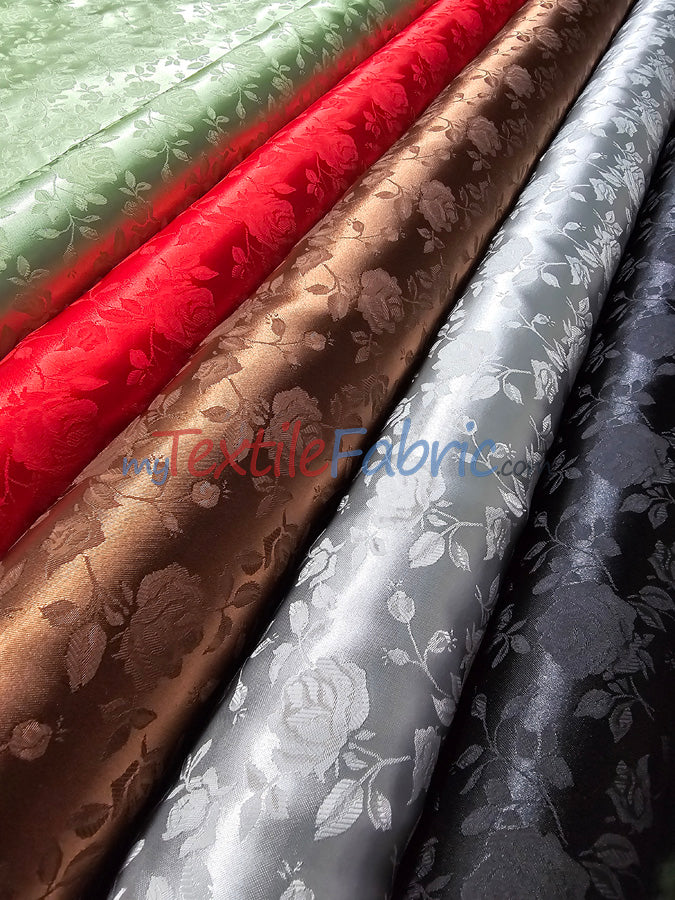
Jacquard Fabric
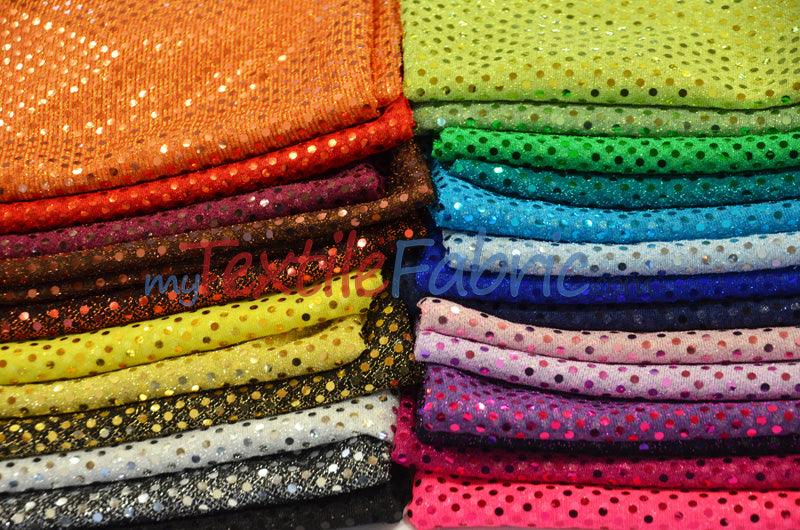
sequin fabric
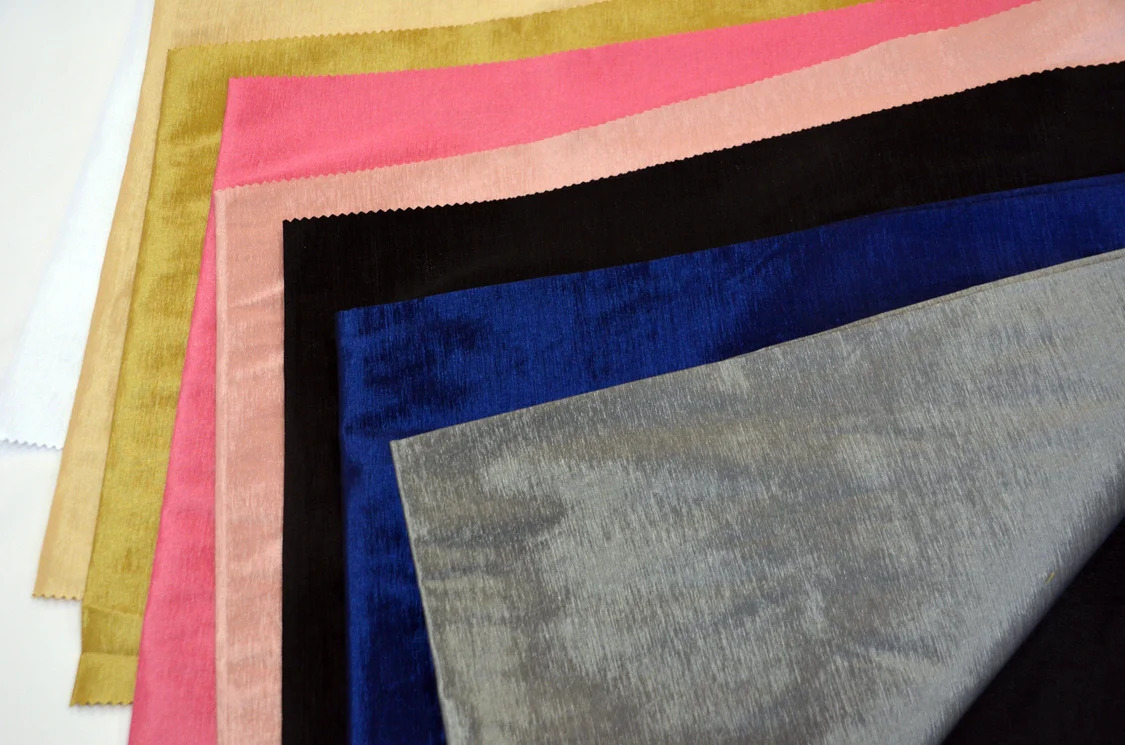
Solid Plain Fabric
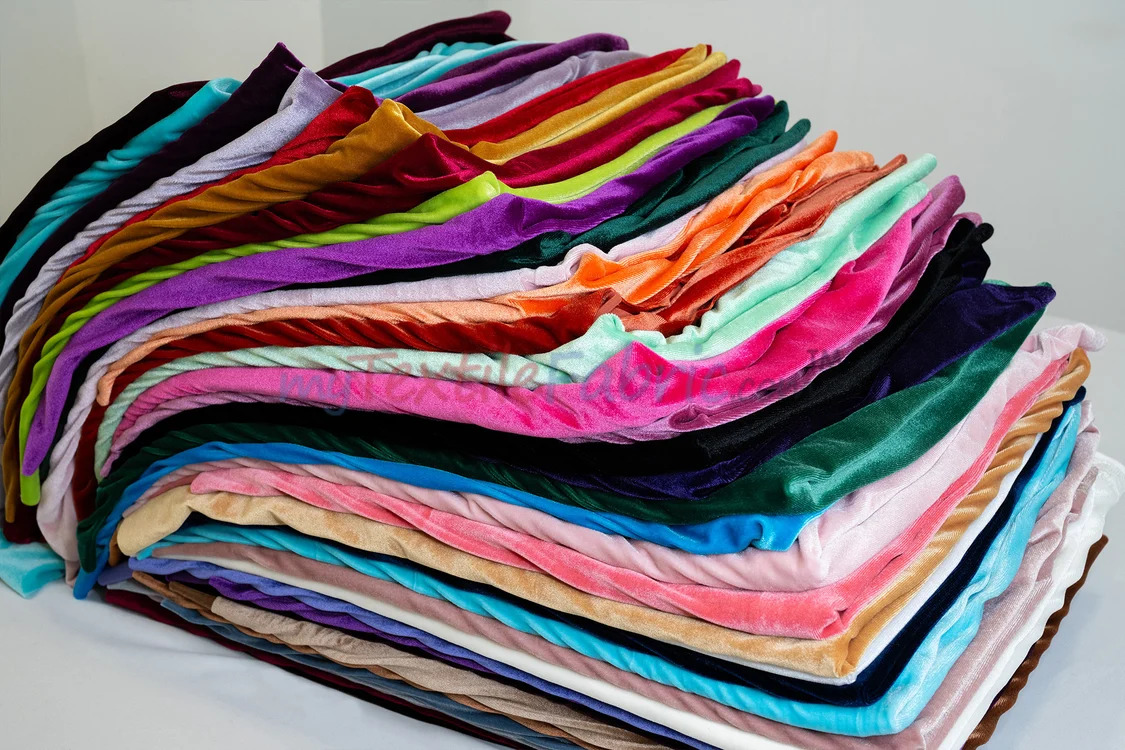
Stretch Velvet Fabric
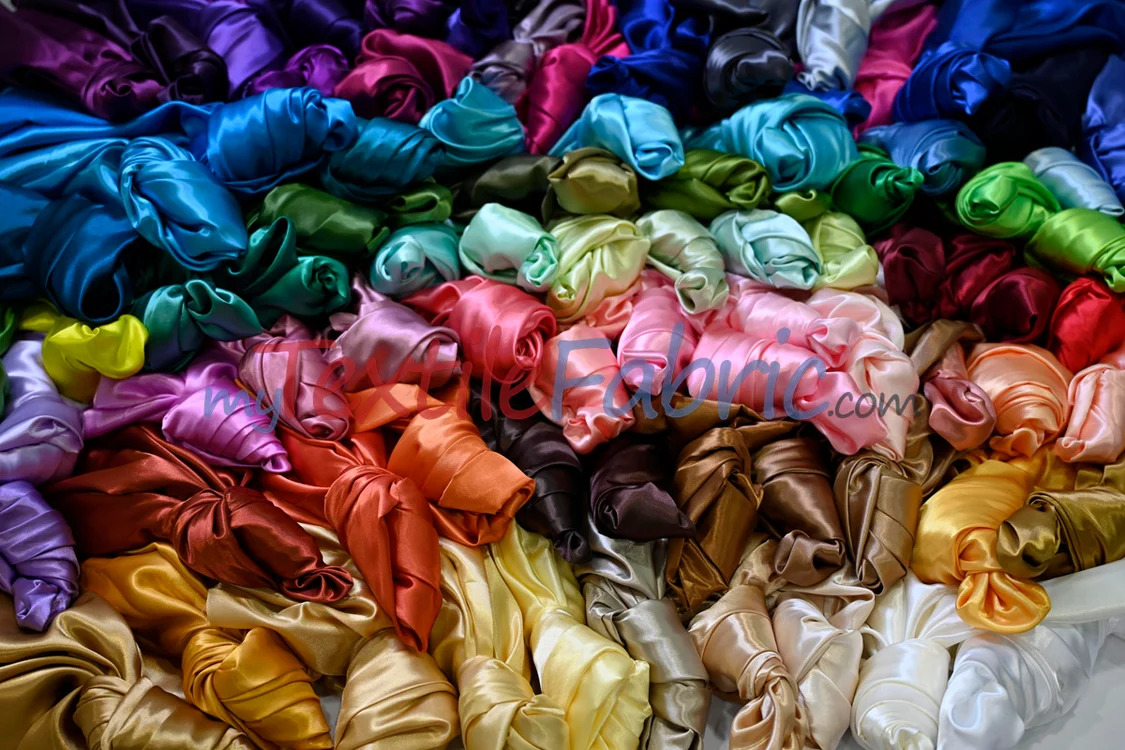
wholesale satin fabric
Fabric selection continues to play an important role in both fashion and event production.
LOS ANGELES, CA, UNITED STATES, October 8, 2026 /EINPresswire.com/ -- LOS ANGELES, CA – October 2026 – My Textile Fabric, a Los Angeles-based fabric vendor and distributor, has added new fabric options intended for fashion, apparel, event production, costume design, décor, and related creative applications. The expanded selection includes additions to the company’s stretch velvet fabric, wholesale satin fabric, and sequin fabric collections, reflecting the varied material requirements of designers, production teams, event professionals, manufacturers, and other buyers who source textiles according to appearance, construction, quantity, and intended use.Fabric selection continues to play an important role in both fashion and event production. While apparel projects often focus on characteristics such as drape, texture, weight, color, and finish, event applications may require materials suited to backdrops, displays, stage environments, decorative installations, table treatments, and temporary structures. A broader range of fabric types can allow buyers to evaluate materials according to the specific requirements of individual projects.
Changing Fabric Requirements Across Fashion and Events
The fashion industry uses fabrics across a wide range of garments, collections, accessories, and specialty designs. Different garments require different combinations of structure, flexibility, texture, weight, and visual appearance. Fabrics selected for flowing garments may differ considerably from those intended for structured clothing, costumes, jackets, decorative pieces, or formalwear.
Event production involves another set of material considerations. Fabrics may be used to create visual environments, define spaces, cover surfaces, construct displays, or complement a particular event theme. Depending on the application, buyers may consider opacity, surface texture, width, color availability, ease of handling, and suitability for installation.
The addition of new fabric options addresses these varied requirements by providing materials across different textile categories and potential applications.
Fabric Selection for Apparel and Fashion Design
In apparel production, the characteristics of a textile can influence both the appearance and construction of a finished garment. Designers and manufacturers may evaluate a fabric’s weight, fiber composition, surface finish, stretch, drape, and overall construction before selecting it for production.
Lightweight materials can be considered for garments where movement and fluidity are important, while heavier textiles may be selected for structured designs. Fabrics with distinctive textures or finishes can also contribute to the visual character of a collection.
For fashion businesses working on multiple designs, consistency can be an additional consideration. Color and material specifications may need to remain relatively consistent across production runs, particularly when fabrics are being used for coordinated garments or repeated collections.
Applications in Event Production and Décor
Fabric also serves functional and decorative purposes in event environments. Event planners, production companies, decorators, and designers may use textiles for stage backgrounds, draping, partitions, display areas, decorative coverings, and themed installations.
The requirements for event fabrics can differ according to venue, duration, installation method, and visual concept. Some projects may prioritize color and texture, while others may place greater emphasis on width, opacity, weight, or ease of handling.
For temporary events, fabric may need to be transported, installed, removed, stored, and potentially reused. These practical considerations can influence purchasing decisions alongside aesthetic requirements.
Supporting Costume and Creative Production
Costume design represents another area where fabric selection can vary considerably. Theater productions, film projects, performances, themed events, and creative installations may require textiles that contribute to a particular period, character, visual effect, or production concept.
Costume designers may evaluate fabrics based on their ability to support a specific silhouette, movement, texture, or appearance. Decorative fabrics can also be used in accessories and supporting costume elements.
Because creative productions can differ significantly in scale and design requirements, fabric sourcing often involves evaluating multiple materials rather than relying on a single category.
Importance of Color, Texture, and Finish
Visual characteristics remain important factors when fabrics are selected for fashion and events. Color can influence how a garment or event environment is perceived, while texture and surface finish can affect the overall visual effect of a project.
Fashion designers may coordinate fabric colors with seasonal collections, brand concepts, or individual garment designs. Event professionals may similarly select materials according to a venue’s design scheme, event theme, or decorative plan.
Differences in lighting can also affect how fabrics appear. This is particularly relevant to events, photography, stage environments, and other settings where artificial or changing lighting conditions may influence color and texture perception.
Fabric Quantities and Project Planning
The quantity of fabric required can vary considerably between projects. A designer developing a small collection may require a different volume than an apparel manufacturer producing garments at commercial scale. Similarly, an event installation may require large quantities of fabric depending on the size of the venue and the extent of the decorative treatment.
Planning for material requirements can help buyers account for fabric width, cutting layouts, potential waste, repeat orders, and project schedules. Availability is another consideration, particularly when a project depends on a specific color or textile type.
For businesses working on recurring projects, maintaining information about previously used fabrics can also support future sourcing decisions.
Online Access and Fabric Sourcing
Digital sourcing has become an increasingly common part of textile purchasing. Online fabric catalogs allow buyers to review categories, colors, textures, specifications, and available options before making purchasing decisions.
For fashion designers and event professionals located outside major textile markets, online access can provide a practical way to research fabrics without relying exclusively on local inventories. Digital sourcing can also support preliminary material comparisons during the early stages of a project.
However, visual representation does not always provide a complete understanding of a textile. Buyers may still need to review specifications and, where appropriate, evaluate physical samples before selecting materials for significant production or installation projects.
Considerations for Fashion and Event Buyers
When evaluating fabrics, buyers may consider several factors beyond appearance. Fiber composition, fabric weight, width, construction, texture, finish, color, intended application, quantity requirements, and availability can all influence suitability.
For apparel projects, designers may also consider sewing characteristics, drape, stretch, durability, and how a material responds to cutting and finishing. Event professionals may place greater emphasis on dimensions, handling, installation requirements, opacity, and visual performance.
These considerations demonstrate why fabric selection is closely connected to the practical requirements of each project.
Role of Distribution in Fabric Availability
Fabric distribution connects suppliers and textile buyers across different regions. Efficient distribution can support businesses that need to source materials for projects with specific timing or quantity requirements.
For commercial buyers, availability and delivery planning can be particularly relevant when fabrics are needed for scheduled production, event installations, or coordinated design projects. Distribution channels can therefore form an important part of broader textile procurement strategies.
As fashion and event industries continue to work across geographic markets, access to varied fabric categories can support different approaches to material sourcing and project planning.
Looking Ahead at Fabric Applications
The continued use of textiles across fashion, events, costumes, interiors, and creative production reflects the versatility of fabric as both a functional and visual material. As project requirements become increasingly varied, buyers may continue to evaluate fabrics based on a combination of design characteristics and practical considerations.
The addition of new materials provides another set of options for buyers researching textiles for apparel, event production, costumes, décor, and related applications. Ultimately, appropriate fabric selection depends on the requirements of the individual project, including its intended use, production process, quantity, design objectives, and schedule.
About My Textile Fabric
My Textile Fabric is a Los Angeles-based fabric vendor and distributor serving textile buyers across the United States. Its fabric selection encompasses materials used in apparel, fashion design, events, costumes, interiors, crafts, and other creative and production applications. The company provides access to fabrics through online sourcing and distribution channels, supporting buyers with different material requirements, project scales, and intended uses.
For media inquiries, please contact:
My Textile Fabric
836 San Julian St, Los Angeles, CA 90014
https://mytextilefabric.com/
INFO@MYTEXTILEFABRIC.COM
Free 800-939-9266
Local 213-468-8388
Omid Yasharpour
My Textile Fabric
+1 800-939-9266
Visit us on social media:
LinkedIn
YouTube
Legal Disclaimer:
EIN Presswire provides this news content "as is" without warranty of any kind. We do not accept any responsibility or liability for the accuracy, content, images, videos, licenses, completeness, legality, or reliability of the information contained in this article. If you have any complaints or copyright issues related to this article, kindly contact the author above.
